





Contenidos
- Attracting and Retaining Clients: Strategies to Grow Your Business
- Social Media Engagement Builds Audience Loyalty
- What Are the Benefits of Inbound Marketing?
- Attract with Relevant Content
- Convert Visitors into Potential Clients
- Build Loyalty Through Trust-Based Relationships
- Key Factors in an Inbound Marketing Strategy
- What Is Inbound Marketing and How Does It Work?
- What’s the Difference Between Inbound Marketing and Traditional Marketing?
- What Types of Businesses Can Use Inbound Marketing?
- Tell us about your idea!
Inbound marketing is a digital strategy focused on organically attracting clients through the creation of useful and relevant content. Unlike traditional advertising, which interrupts the user, this approach aims to guide them through each stage of their buying journey by offering information that addresses their real questions and needs. Its foundation lies in building trust and long-term relationships, using tools like blogs, SEO, email marketing, and social media to turn visitors into loyal customers.
Here are two definitions of inbound marketing—one for professionals offering the service, and another for beginners just starting to explore web implementation.
For Technical Users: Inbound marketing is a strategic approach based on attracting leads through segmented content, optimized with SEO, automation, and analytics. It nurtures prospects throughout the funnel until conversion and loyalty, reducing acquisition costs.
For Beginners: Inbound marketing is a way to attract customers by offering helpful information instead of intrusive ads. It involves creating content that answers questions and helps people, building trust so they choose your brand.
Attracting and Retaining Clients: Strategies to Grow Your Business
In inbound marketing, capturing client attention is key. The goal is to sell through valuable information rather than relying solely on paid advertising.
Tools like webinars, Reels, blogs, and more are essential for attracting buyers seeking solutions. By offering valuable content, your company positions itself as a trusted source, increasing visibility.
Once attraction is achieved, the next steps are conversion and retention. Email marketing campaigns, automation, and segmentation play a vital role in nurturing leads with personalized content—strengthening relationships and building trust.
Retention keeps consumers engaged and fosters loyalty and advocacy. Satisfied clients become brand promoters, boosting organic reach and contributing to sustainable growth.
Inbound strategies focused on attraction and retention help businesses optimize resources by targeting audiences genuinely interested in their products or services.
Social Media Engagement Builds Audience Loyalty
Social media engagement is a key metric for evaluating the effectiveness of digital marketing strategies and the connection between a brand and its audience. It refers to the level of interaction users have with published content.
This includes comments, saves, likes, clicks, shares, and other actions that show interest. High engagement increases organic visibility and strengthens relationships with followers.
To improve engagement, it’s essential to create meaningful content tailored to each platform. This requires understanding your audience and offering posts that provide value.
Content can be educational, informative, entertaining, or inspirational—but it must always aim to spark interaction. Polls, stories, and live streams are great tools to boost engagement.
Maintaining a consistent posting schedule keeps your brand present without overwhelming users. Responding to comments, direct messages, and joining relevant conversations shows your brand listens and values its community.
Ultimately, working on social media engagement is crucial for strengthening digital presence, increasing interaction, and building audience loyalty.

What Are the Benefits of Inbound Marketing?
There are many, but here are three of the most tangible and attractive benefits for companies looking to organically attract and retain customers:
Attract with Relevant Content
The core of inbound marketing is addressing your audience’s needs. Ebooks, tutorials, guides, and social media posts capture attention organically, positioning your brand as a reliable source.
Convert Visitors into Potential Clients
Once users recognize your brand, the goal is to collect their contact information through calls to action, forms, and landing pages—enabling communication and guiding them toward purchase.
Build Loyalty Through Trust-Based Relationships
Inbound marketing doesn’t end with the sale. It aims to keep clients satisfied and returning. Surveys and personalized content foster loyalty and turn buyers into brand advocates.
Key Factors in an Inbound Marketing Strategy
To ensure your inbound marketing strategy works effectively, it’s essential to understand the difference between attracting with relevant content and building loyalty through trust. Here’s a comparison:
| Criteria | Attract with Relevant Content | Build Loyalty Through Trust-Based Relationships |
|---|---|---|
| Main Objective | Generate traffic and capture new users | Keep clients satisfied and encourage repeat business |
| Approximate Cost | High at the start (content creation & SEO) | Medium (CRM, email marketing, support) |
| Time to Results | Medium to long term (months) | Short to medium term, depending on client relationships |
| Expected Performance | Increased leads and visibility | Higher retention and customer lifetime value (CLV) |
| Resource Consumption | High (research, creativity, production) | Moderate (personalization, follow-up) |
What Is Inbound Marketing and How Does It Work?
Inbound marketing is a strategy that attracts potential clients through valuable content instead of intrusive ads. It guides users through their buying journey with social media posts, ebooks, and SEO strategies.
What’s the Difference Between Inbound Marketing and Traditional Marketing?
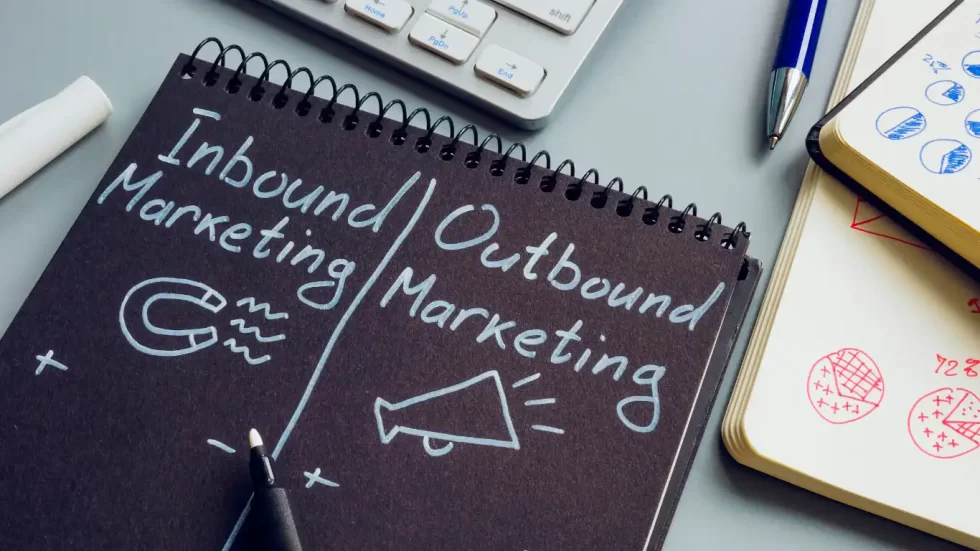
Traditional marketing interrupts consumers with direct ads. Inbound marketing, on the other hand, offers subtle, helpful information that meets their needs—boosting brand positioning.
What Types of Businesses Can Use Inbound Marketing?
Any company, regardless of size or industry, can apply inbound marketing. It’s ideal for businesses looking to attract potential clients organically, educate them about products, and build a loyal customer base.
Thanks for reading to the end! At Agencia Digital ZC, we specialize in crafting successful inbound marketing strategies. Contact us and one of our experts will reach out shortly. Follow our blog—we share valuable insights every week.
Tell us about
your idea!
Ready to take your
brand to the next level?